Affiliate disclosure: Some links in this guide are affiliate links. If you book through them, I may earn a small commission at no extra cost to you. I host guests in Canmore, so read my bias right up front — and then read the reasoning, because I send plenty of people to Banff when Banff is the right answer for them.
It is the first decision of every Bow Valley trip, and the one that shapes all the others: sleep in Banff, inside the national park, or in Canmore, the town 20 minutes east of the park gate? The two are close enough that visitors assume it hardly matters.
It matters — in what you pay, what you eat, how much space you get, and how your days feel. I host in Canmore and take this question from guests constantly, so here is the honest version, including the cases where I tell people to book Banff instead.
Good to know
- Park pass: required anywhere inside Banff National Park — $12.25 per adult per day in 2026; not needed in Canmore
- Cost: comparable stays run $80–$120 a night more in Banff in shoulder season, often $150–$200 more in summer and ski season
- Getting around: Banff is a 20-minute drive from Canmore; Roam Route 3 runs year-round, about 25 minutes, $6 per adult one way, kids 12 and under free
- Parking in Banff: downtown meters run $12 an hour May through October, $7 an hour November through April; parking is free at most Canmore condos
- Skiing: Sunshine Village is about 25 minutes from Banff and 45 from Canmore; Lake Louise is about 45 minutes from Banff and an hour from Canmore
The short answer
Choose Canmore if you want more space for your money, a kitchen, free parking at your door, and a town that feels like a place people live — and you are comfortable with a 20-minute drive or bus ride to Banff’s sights. Choose Banff if you want to walk out your door onto Banff Avenue, skip driving altogether, and be inside the park from the moment you wake up — and you are comfortable paying a premium for a hotel room to do it. Neither answer is wrong. They are different trips.
The two towns, honestly
Banff is a townsite of about 4 square kilometres inside Banff National Park, purpose-built for visitors since the 1880s. Banff Avenue is one of the great mountain main streets: hotels, restaurants, shops, and the Cascade Mountain backdrop. It is also busy, expensive, and — because Parks Canada restricts who can live there (you generally must work in the park to reside in Banff) — almost entirely hotels and lodges. Whole-home vacation rentals barely exist.
More…
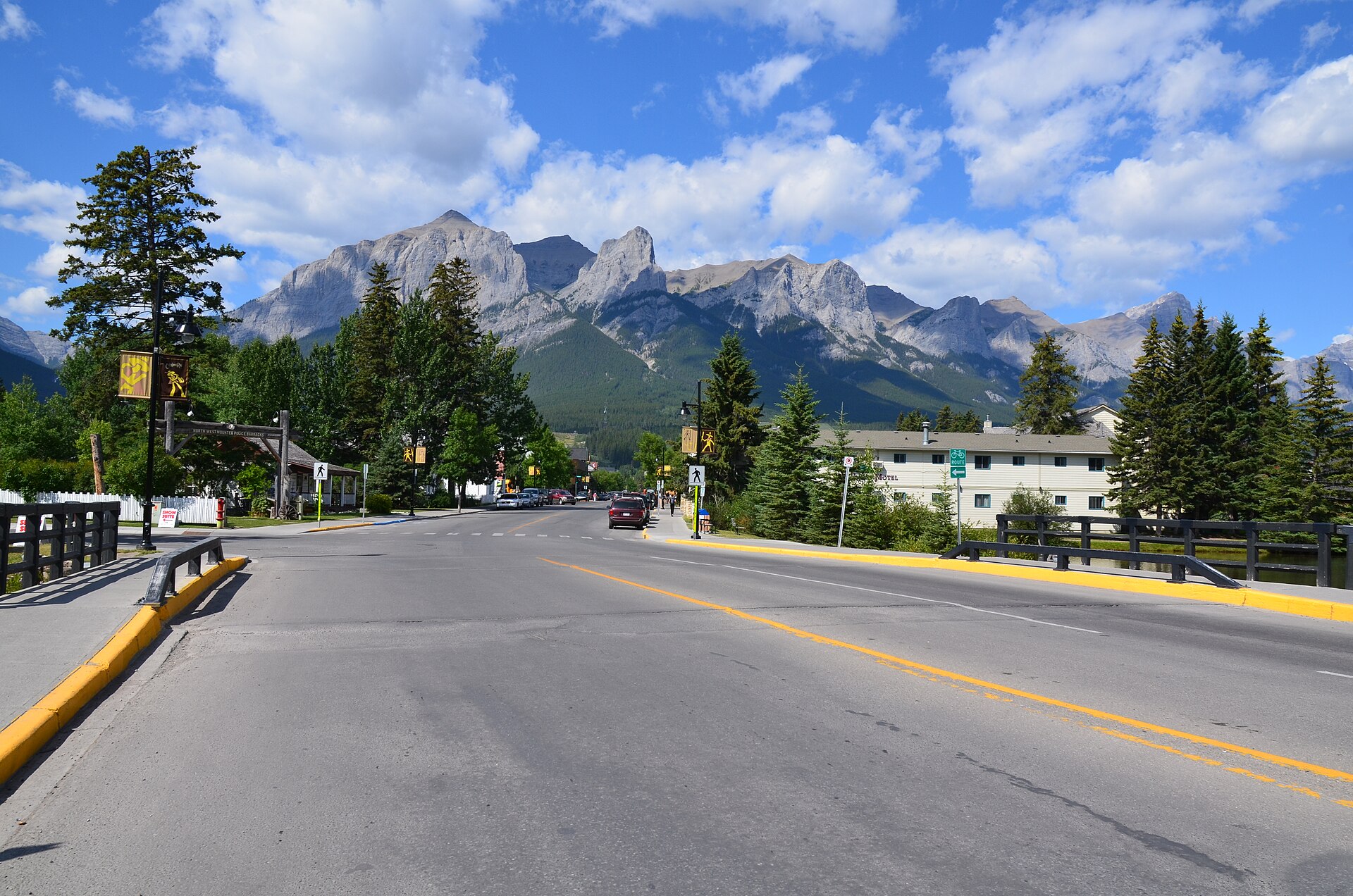
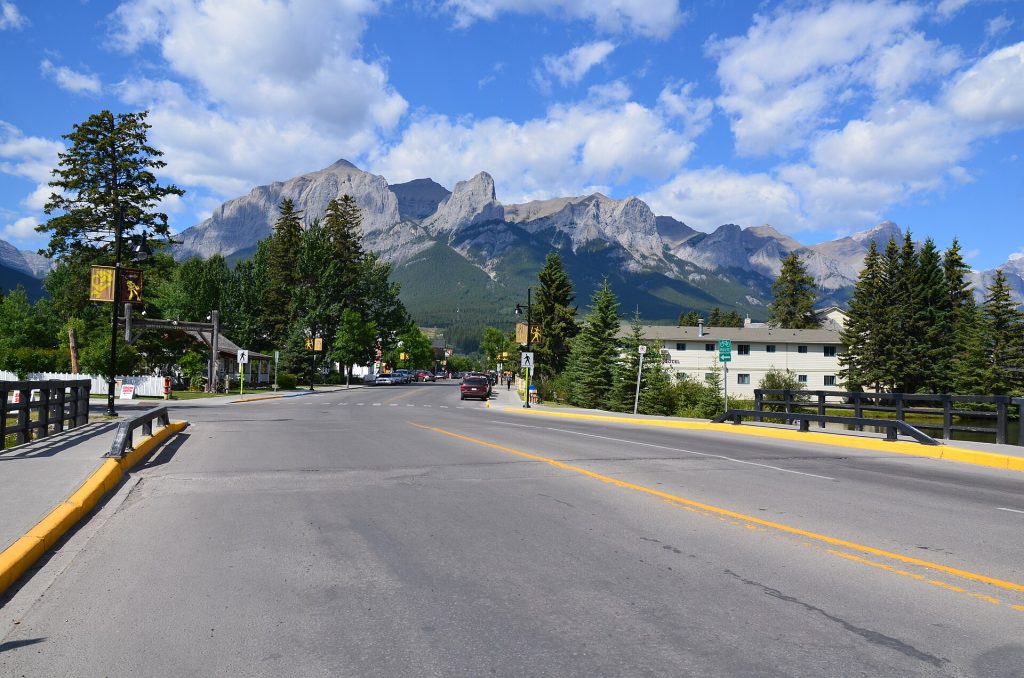
Canmore is a former coal-mining town just outside the park’s east gate, roughly 25 km from Banff — about 20 minutes on Highway 1, or 25 minutes on the bus. It has grown into a mountain town in its own right: a walkable downtown on 8th Street (Main Street), a full set of grocery stores and services, and a large supply of condos and vacation rentals alongside its hotels. People live here year-round, and the town feels it — quieter, more local, less polished in the best way.
Side by side
Cost. Canmore usually wins, and it is not close in high season. Comparable stays commonly run $80–120 a night less in Canmore than in Banff in summer, and the gap widens on holiday weekends. Banff also layers on costs Canmore does not: downtown parking is metered (below), and every night in Banff is a night inside the park, so your park pass must cover every day of your stay. Canmore stays need a pass only on the days you actually enter the park.
Space and kitchens. This is Canmore’s strongest card, especially for families and groups. A Canmore condo typically gives you a full kitchen, a living room, laundry, and parking outside the door. Banff’s stock is mostly hotel rooms — excellent ones, at the top end — where cooking means a kettle. If your group eats breakfast in and cooks half its dinners, the kitchen alone can save more than the room-rate gap.
More…
The park pass. Staying in Banff requires a valid Parks Canada pass for your entire stay: in 2026, $12.25 per adult per day or $24.50 per vehicle per day for a family/group, with the annual Discovery Pass at $83.50 per adult if your trip runs a week or more. Staying in Canmore, you buy passes only for park days — a rest day in Canmore, a hike in neighbouring Kananaskis (which uses its own $15-a-day conservation pass), or a travel day costs you nothing in park fees. On a five-day trip with three park days, that is real money back.
Getting around. From Canmore, Banff is a 20-minute drive, or take Roam Transit’s Route 3: year-round, about 25 minutes between the two downtowns, $6 per adult one way, kids 12 and under free. It drops you at Banff’s transit hub, where local Roam routes ($2 a ride) reach the gondola, the hot springs, and Tunnel Mountain, and the Route 8X express continues to Lake Louise for $12.50. A car-free Canmore base is genuinely workable. In Banff, you may not need the car at all — the townsite is small and walkable — which matters, because Banff parking is the valley’s least charming feature: downtown meters run $12 an hour May through October and $7 an hour November through April, 8 a.m. to 8 p.m., and summer lots fill by mid-morning. (Locals’ workaround, wherever you sleep: the free 500-stall lot at the Banff Train Station, a short walk from downtown.) In Canmore, parking is mostly free and rarely a thought.
Food and evenings. Banff has the deeper restaurant bench and the livelier bar scene, concentrated on and around Banff Avenue. Canmore’s scene is smaller but strong — independent cafés, good bakeries, its own brewery — and it winds down earlier. If nightlife matters, that is a point for Banff. If you are cooking in and turning in early before a hiking day, Canmore’s quiet is a feature.
Ski trips. All three Bow Valley ski areas — Mt Norquay, Banff Sunshine, and Lake Louise — are reached through or past Banff, and free or cheap ski shuttles run from Banff hotels. From Canmore, add the 20-minute drive (or the Roam bus to Banff, then the ski shuttle) to every ski morning. Serious ski-in-every-day trips lean Banff or Lake Louise village; mixed trips with a ski day or two work fine from Canmore.
The feel of the place. Guests describe it consistently: Banff feels like a resort — exciting, international, a little relentless in July. Canmore feels like a mountain town that also welcomes visitors. First-timers who want the postcard sometimes feel they have missed out sleeping outside the park; repeat visitors disproportionately migrate to Canmore. Both reactions make sense.
So, who should pick which?
Base in Banff if: it is a short trip (one or two nights) and every hour counts; you are not renting a car; it is a special-occasion stay and the grand hotel is part of the point; or you plan to ski every day. Book the town’s hotels here: [BOOKING.COM: Banff stays].
More…
Base in Canmore if: you are staying three nights or more; you are a family or group that wants bedrooms, a kitchen, and laundry; you have a car anyway; your budget works harder than your schedule; or you plan to mix Banff days with Kananaskis hikes, Canmore trails, and downtime. Compare Canmore’s condos and hotels here: [BOOKING.COM: Canmore stays].
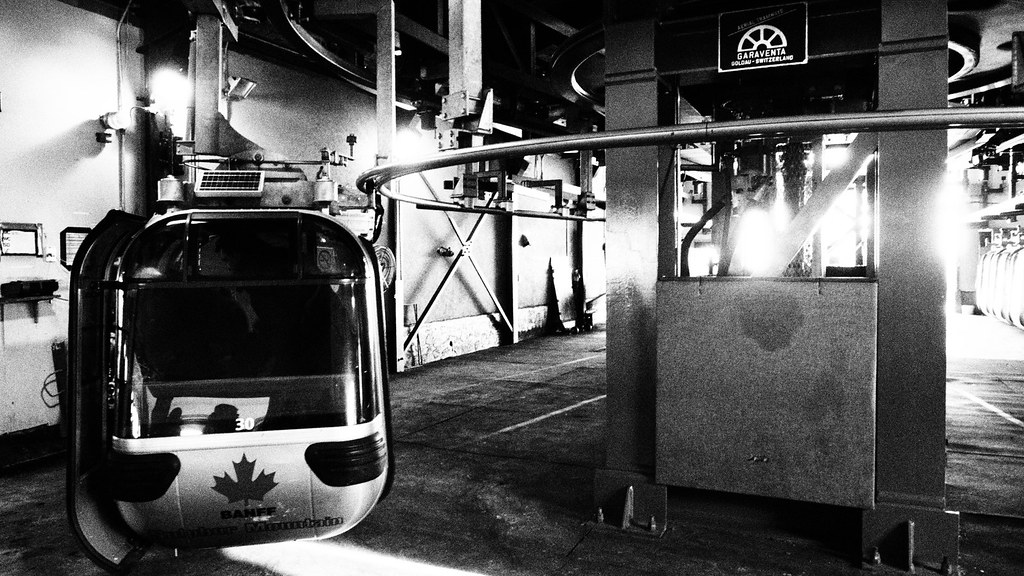
The hybrid locals quietly recommend: base in Canmore, and day-trip Banff exactly as you would from a Banff hotel — because at 20 minutes, you effectively are. Spend the savings on the things that actually make memories: a gondola ride Banff Gondola tours, a guided ice walk in winter Johnston Canyon ice walk, or one very good dinner in Banff before the bus home.
Two late-November notes
Reading this in late November? Ski season is underway (Lake Louise opened November 6), daylight runs out around 5 p.m., and Johnston Canyon — a star of most Banff itineraries — is closed for rock work until December 11, 2026. None of that changes the Banff-versus-Canmore math, but it argues for a base with a good kitchen, a fireplace if you can get one, and evenings you enjoy spending in. Which is to say: shoulder season is when Canmore’s condos quietly outshine hotel rooms.
A note for readers who host
A fair number of people find this guide because they are weighing a different question: not where to stay, but whether to host. If you run — or are starting — a vacation rental in the Bow Valley or anywhere else, I have turned the systems from my own Canmore hosting into templates at MountainHostCo. The one most relevant to this guide’s readers is the Guest Message Library, the replies to the questions guests ask before they book and after they arrive: Guest Message Library. Take a look if it would save you time; that is the whole idea of it.
Facts in this guide — prices, fares, parking rates, and pass costs — were checked on November 19, 2026, and are reviewed quarterly. Confirm current details with Parks Canada, Roam Transit, and the Town of Banff before you travel.